
UX Scotland: Transit Lines & Touchpoints

– 3 min read
Full Case Study is now up here.
When I took over design for Trello's mobile org at Atlassian, the team was struggling. We delivered 35% of the monthly active users, 33% of all new sign-ups, working with only 15% of the resources. Always chasing web. Always behind. Morale was below sea level.
The problem wasn't that we didn't understand our users. We had the research. We had the data. What we didn't have was a model that made mobile's distinct value legible; to leadership, to partner teams, to the people deciding where to invest.
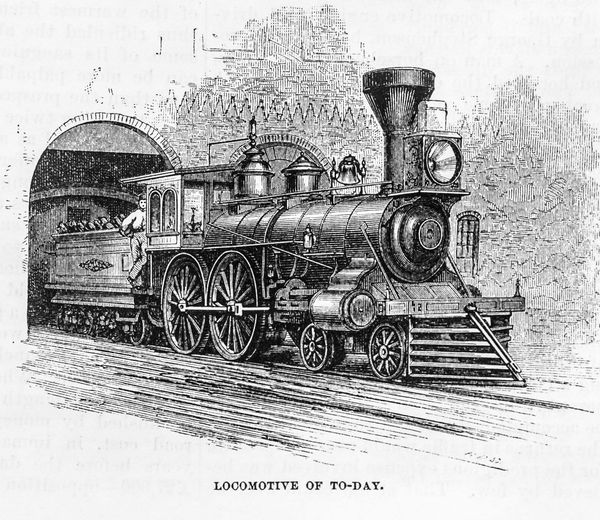
The shift came from a one-on-one with my engineering partner, where I found myself saying we felt like the neglected caboose at the end of a very long release train.
And then I stopped.
We're not the caboose. They're the train. We're light rail.
That reframe, a transit network instead of a hierarchy, changed everything. Web is heavy rail: the backbone, built for deep, intensive work. Mobile apps are trams: nimble, city-street transit, optimised for short trips and focused tasks. Mobile web is the bus: flexible, lower-fidelity, the right choice for some journeys and the wrong one for others. Wearables are bicycles. AR/VR is air travel. The analogy extends as far as your ecosystem does.
The point isn't the taxonomy. Clarity is the deliverable. As the abstract representation of a system, domain, or idea a conceptual model captures the key components and the relationships between them, stripped of implementation details. Once you have that shared picture, every conversation changes shape.
The Transit analogy landed with leadership, and something shifted. The question in the room stopped being "why doesn't mobile have what web has?" and became "which line does this belong on?" We secured approval to present our quarterly plans after web, every quarter — which sounds small but was impactful. We got out of the business of reactive, web-driven roadmaps. We started building for the line we were actually on.
Nine months later: CSAT 91 (seven points above web, fourteen above the industry average). Team effectiveness up from 45% to 89% favourable. Zero critical incidents. App Store ratings at their highest since 2019.
Not from a reorg. Not from a bigger budget. From a better story about the system.
In the talk I also went deep on touchpoints (the moments users interact with each line, from App Store listing to physical-world handoffs via NFC and store beacons) and connections (the transfer points between lines, which are almost always where the real UX problems live, and almost always where teams underinvest).
Caitlin Steele is the founder of Thoughtful Apes, a strategic design consultancy specialising in cross-surface UX and narrative frameworks for SaaS teams. She developed Transit Lines & Touchpoints while leading design for Trello's mobile organisation at Atlassian.